
Forest School is an educational approach that takes place outdoors in natural environments, typically wooded areas or forests. It originated in Scandinavia in the 1950s and has since gained popularity worldwide. Forest School programs are designed to provide children with regular opportunities for hands-on learning and play in nature.


Here are some key aspects and benefits of Forest School:
- Outdoor Learning: Forest School emphasizes learning in natural environments, where children have the opportunity to explore, discover, and engage with the outdoors in meaningful ways.
- Child-Led Exploration: Activities in Forest School are often child-led, allowing children to follow their interests, curiosity, and natural inclinations. This approach promotes autonomy, independence, and self-directed learning.
- Holistic Development: Forest School promotes holistic development, encompassing cognitive, social, emotional, and physical domains. Children engage in activities that support their intellectual growth, social skills, emotional well-being, and physical health.
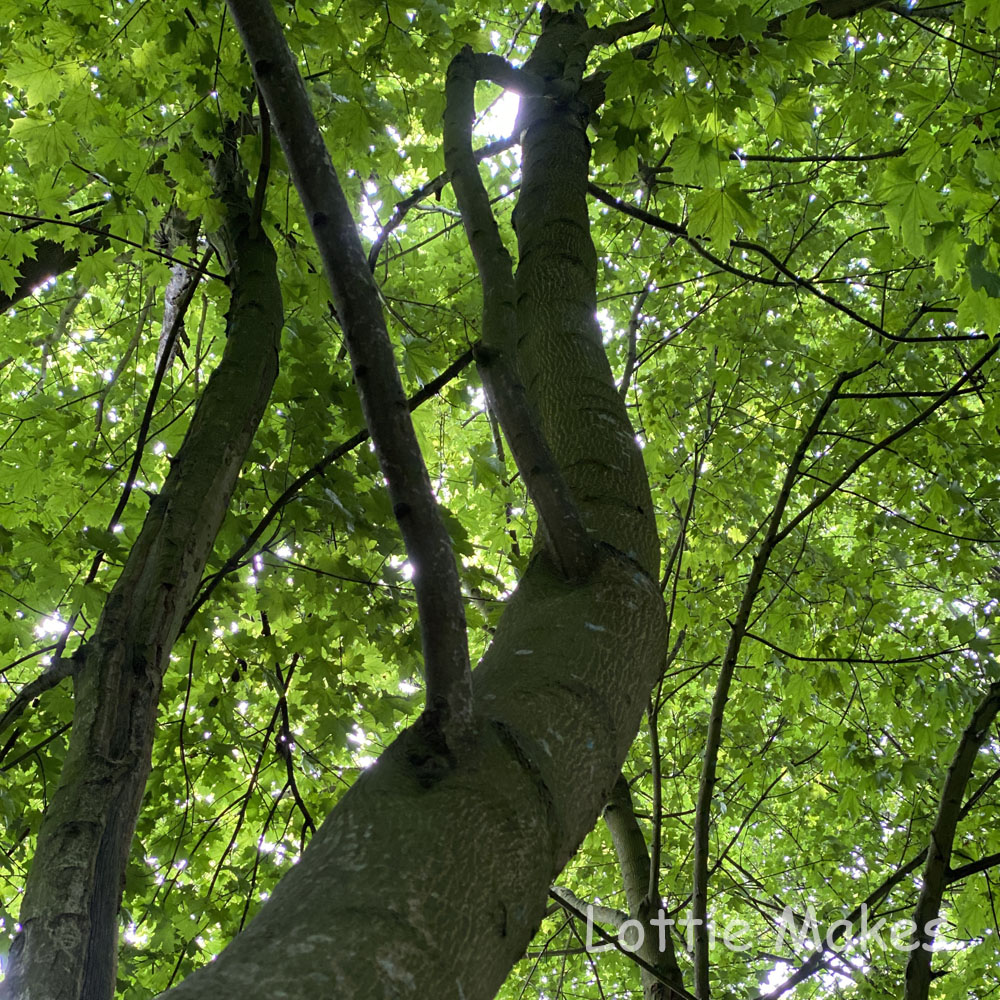
- Connection to Nature: Spending time in nature fosters a deep connection to the natural world, leading to environmental awareness, appreciation, and stewardship. Forest School encourages children to develop a sense of respect and responsibility for the environment.
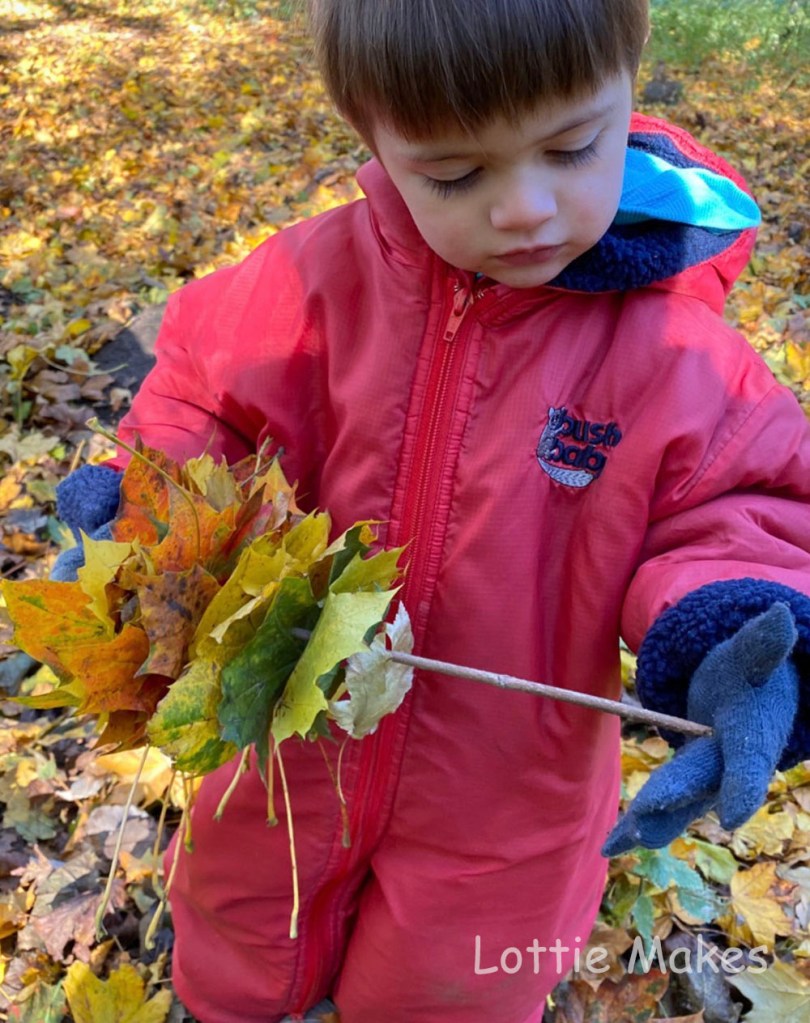
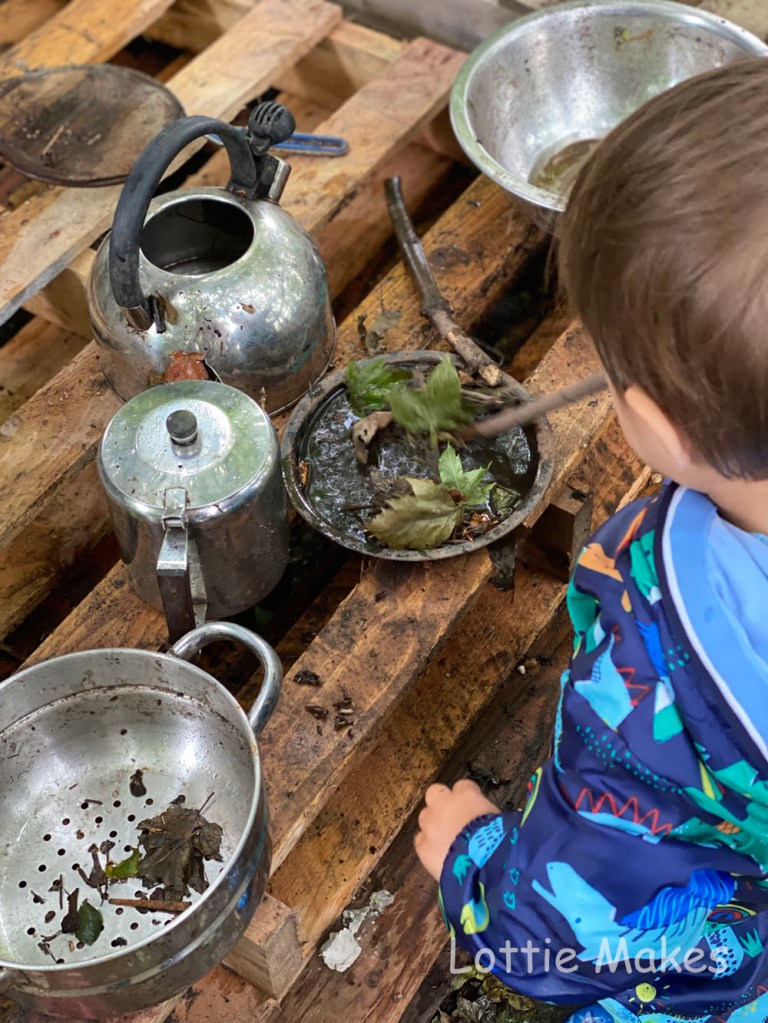
- Hands-On Experiences: Children in Forest School participate in hands-on experiences such as building shelters, exploring wildlife, identifying plants, and playing with natural materials. These experiences provide rich learning opportunities and encourage problem-solving, creativity, and critical thinking.
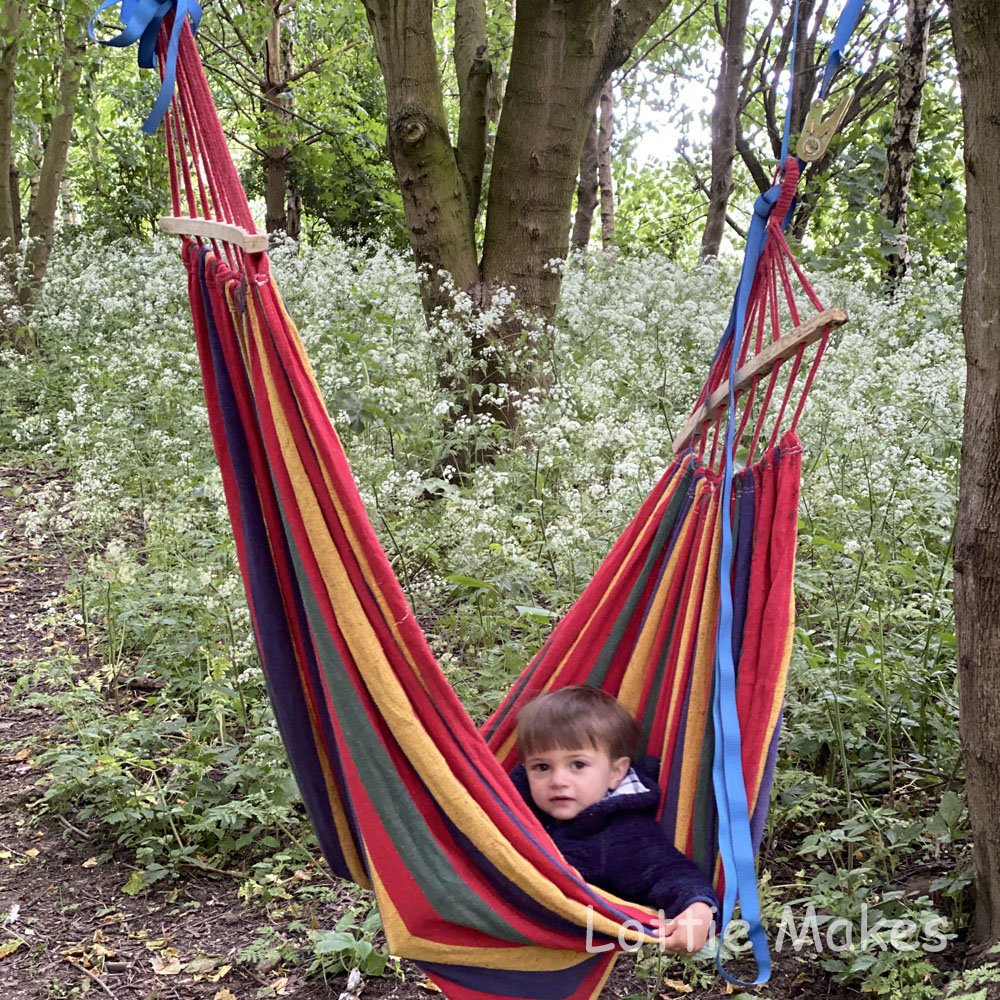
- Risk-taking and Resilience: Forest School environments often involve elements of risk, such as climbing trees or crossing streams. Encountering manageable risks in a supportive setting helps children develop resilience, confidence, and a sense of competence.
- Social Interaction: Forest School provides opportunities for social interaction, collaboration, and teamwork. Children learn to communicate, negotiate, and cooperate with peers in an outdoor setting, fostering social skills and positive relationships.
- Health and Well-being: Spending time outdoors in nature has numerous health benefits, including reduced stress, improved mood, increased physical activity, and enhanced overall well-being. Forest School supports children’s physical health and mental well-being through regular outdoor experiences.
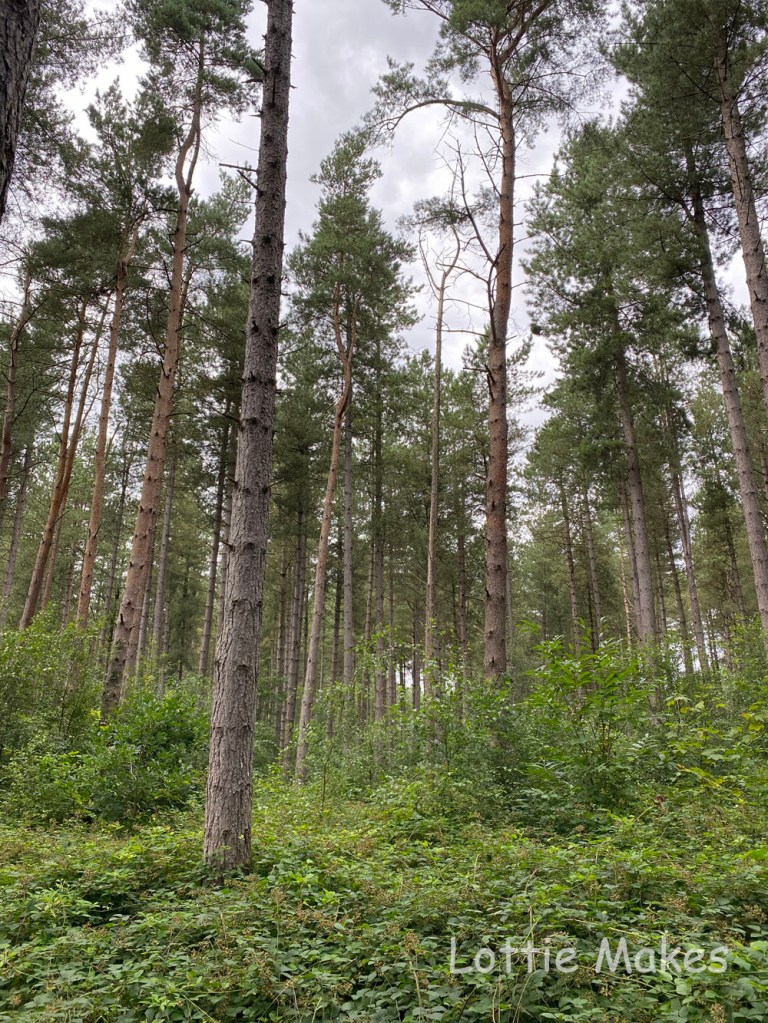
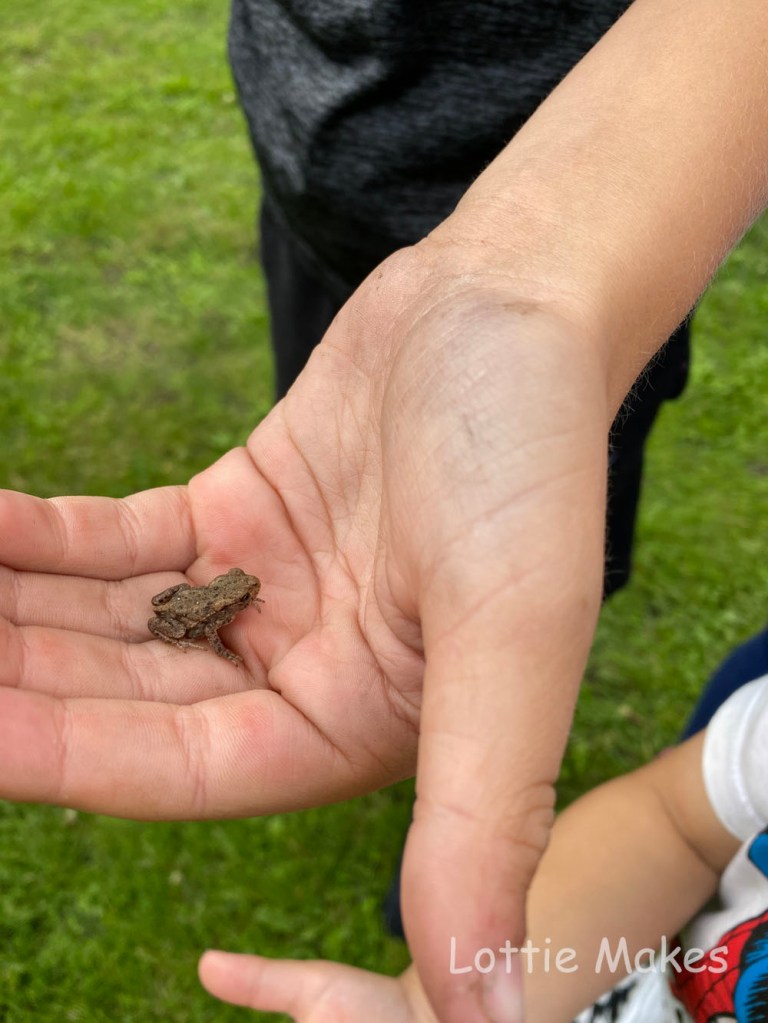


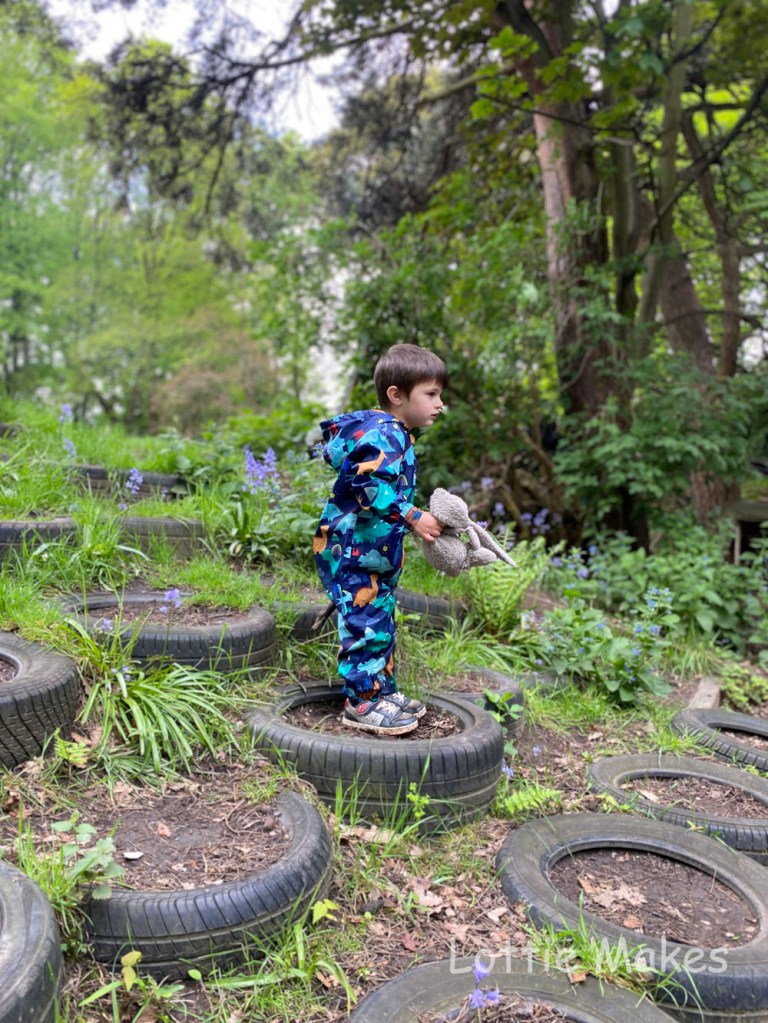
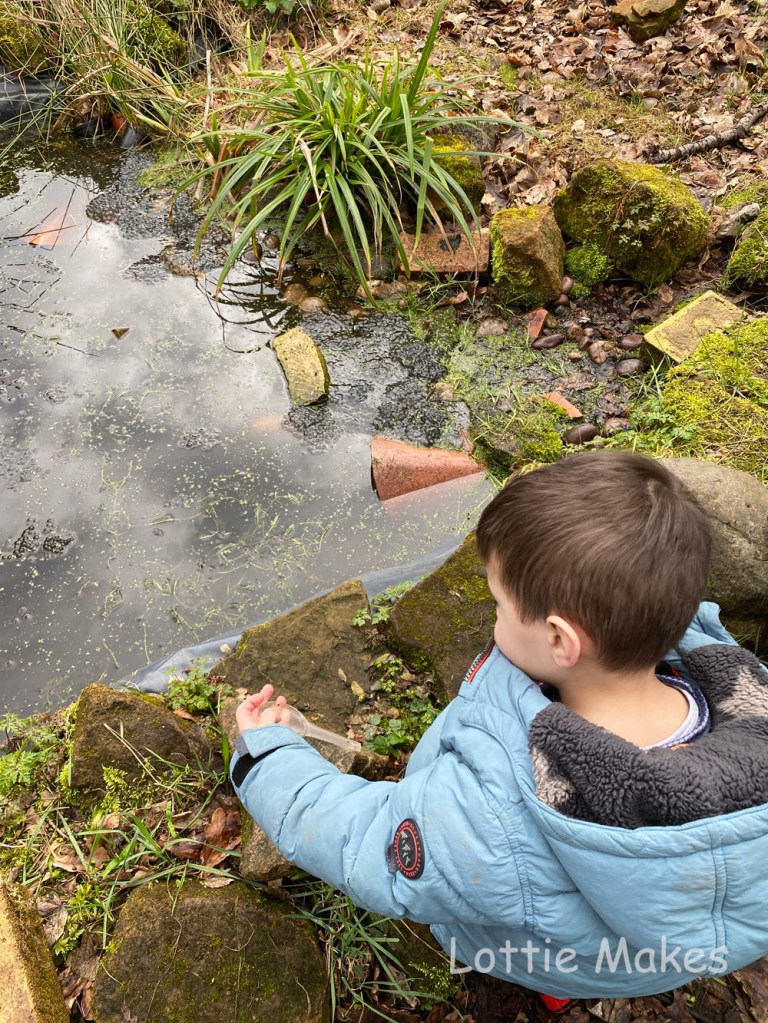
Overall, Forest School offers a unique and enriching educational experience that promotes learning, exploration, and discovery in natural settings, fostering a lifelong connection to the environment and a deep appreciation for the wonders of the natural world.
 Lottie Makes