The “A B C of Play” can refer to a variety of concepts related to children’s play, education, or developmental psychology. Here’s a breakdown of what each letter might represent:
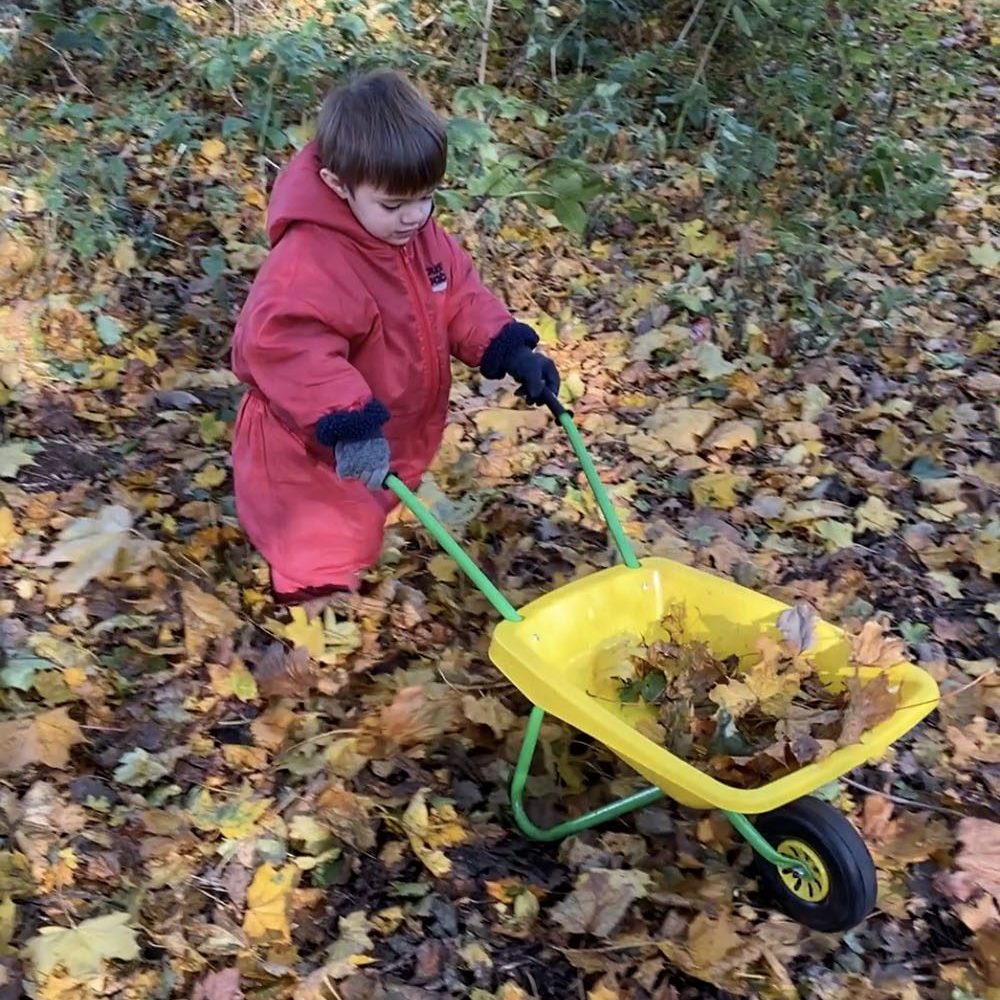
A: Active Play
Engaging in physical activities such as running, jumping, climbing, and playing sports, which are crucial for children’s physical development and overall health. For us, Active Play is enjoyed often at Forest School – climbing trees, running with friends, creating obstacle courses, building dens.
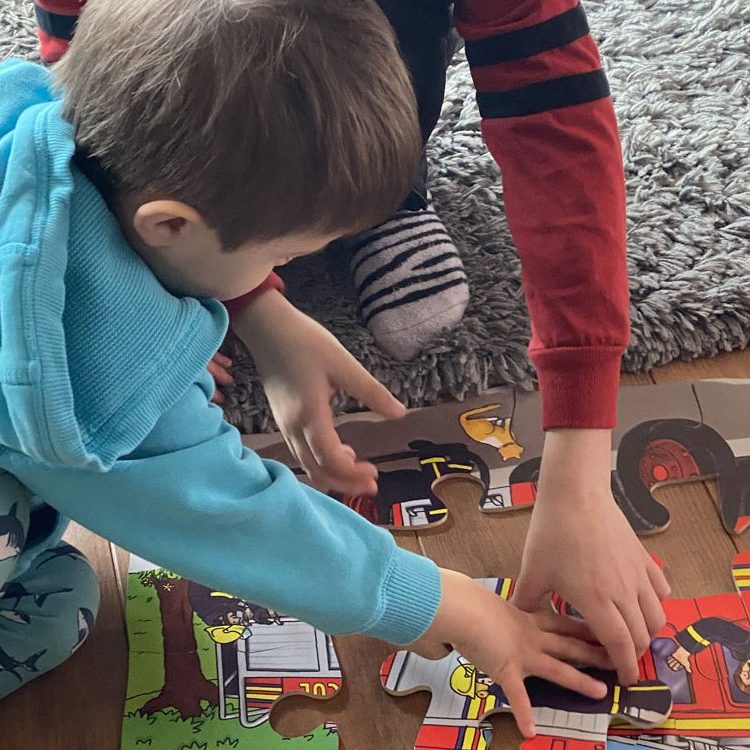
B: Building Blocks
Symbolizing the foundational elements of play, including imagination, creativity, problem-solving, and social interaction. Building blocks can also refer to literal toys such as wooden blocks or LEGO that encourage construction and imaginative play.


C: Cooperative Play
Learning to play and interact with others in a cooperative and collaborative manner, fostering teamwork, empathy, and communication skills. Learning to take turns, share and work together to complete a task.
Alternatively, the “A B C of Play” could also refer to a simple guide or framework for understanding and facilitating play-based learning:
A: Accessible
Ensuring that play opportunities are accessible to all children, regardless of their abilities, backgrounds, or circumstances.
B: Balanced
Providing a balance between structured and unstructured play, as well as between physical, social, cognitive, and imaginative play activities.
C: Child-Centered
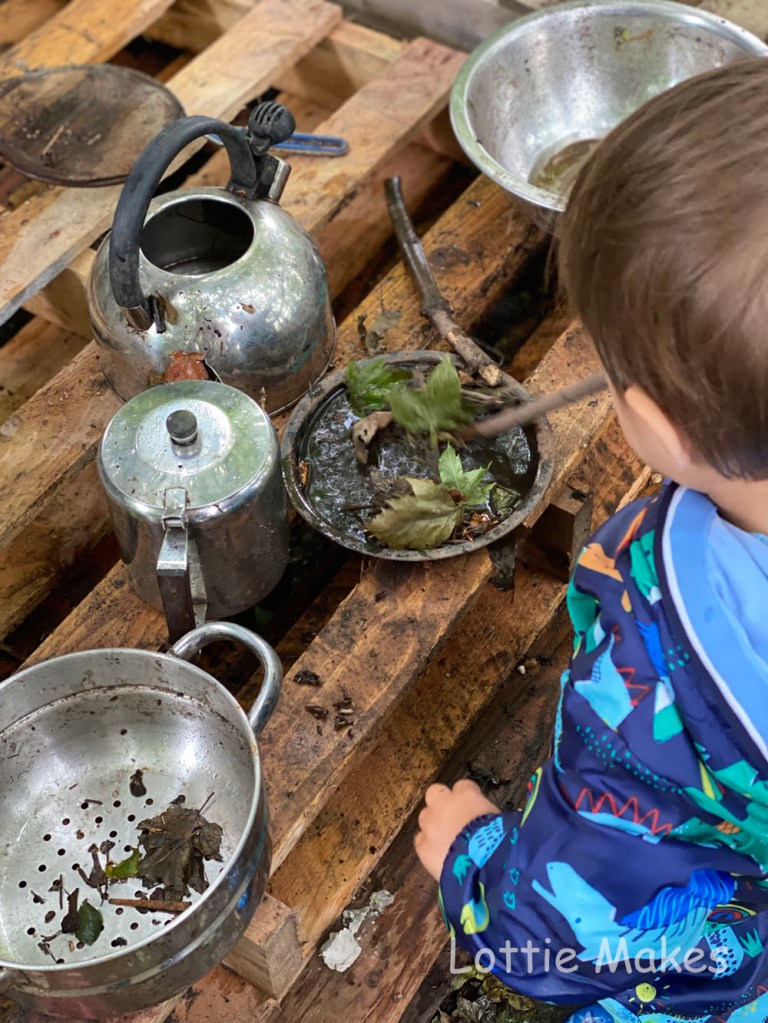
Putting the needs, interests, and developmental stage of the child at the forefront of play experiences, allowing them to explore, experiment, and learn at their own pace. Child-led learning through play is at the heart of our play.
Overall, the “A B C of Play” emphasizes the importance of play in children’s lives and highlights key principles for fostering healthy, enriching play experiences.
 Lottie Makes